
Can CBD Help with Sleep? What the Latest Research Says
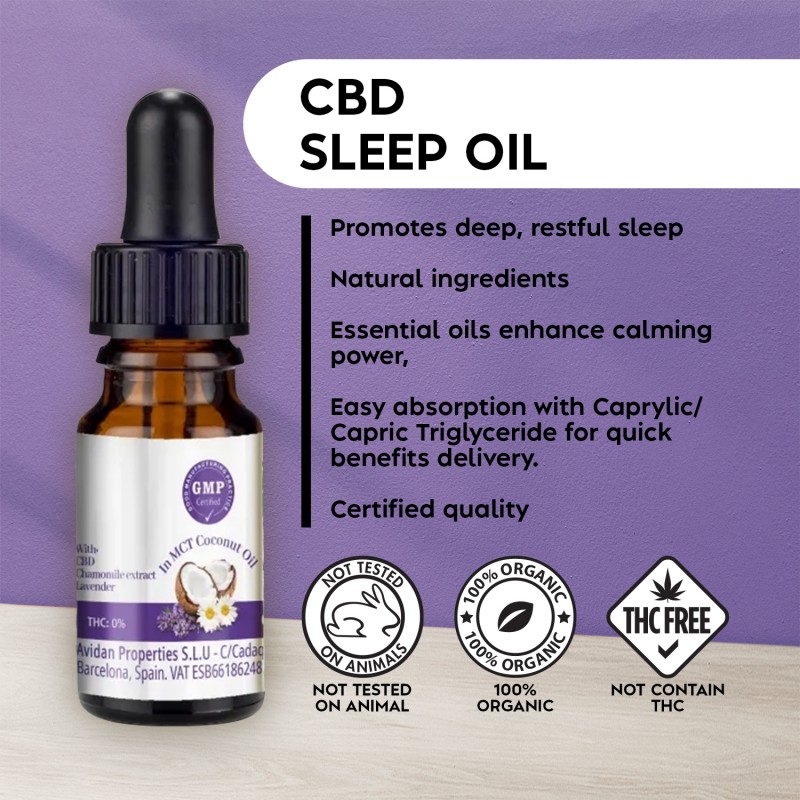
Can CBD Help with Sleep? What the Latest Research Says
Sleep is one of the most fundamental pillars of health, yet millions of people struggle with insomnia and poor sleep quality each night. If you're among those searching for natural solutions, you've likely encountered CBD as a potential remedy. But does the science actually support CBD for sleep? Let's explore what current research tells us.
Understanding Sleep and Why It Matters
Before diving into CBD, it's important to understand that quality sleep isn't a luxury—it's essential. During sleep, your body repairs itself, consolidates memories, and regulates hormones that control metabolism, mood, and immune function. When sleep suffers, so does everything else.
Many people turn to prescription sleep aids, but these often come with unwanted side effects and dependency risks. This is why natural alternatives like CBD have gained significant attention in recent years.
What Does the Research Show About CBD and Sleep?
The scientific evidence on CBD and sleep is promising, though still developing. Here's what researchers have discovered:
Anxiety Reduction and Better Sleep
One of the primary ways CBD may improve sleep is by reducing anxiety. A 2019 study published in The Permanente Journal found that 79.2% of participants experienced decreased anxiety after taking CBD, and 66.7% reported improved sleep quality within the first month.
Anxiety often prevents restful sleep by keeping your mind active and your nervous system in a heightened state. By calming anxiety, CBD may indirectly improve sleep quality.
Interaction with Sleep-Wake Cycles
CBD may influence your body's circadian rhythm through its interaction with serotonin receptors and the endocannabinoid system. Some research suggests that CBD may promote wakefulness during the day while supporting deeper sleep at night, helping regulate natural sleep-wake cycles.
Pain Relief and Comfort
Chronic pain is a major sleep disruptor. Studies indicate that CBD's anti-inflammatory and pain-relieving properties may help people who suffer from conditions like arthritis or fibromyalgia sleep more soundly.
REM Sleep Considerations
Some research suggests CBD may increase REM sleep duration, which is crucial for cognitive function and emotional regulation. However, at higher doses, it might reduce REM sleep in some individuals, highlighting the importance of finding your optimal dose.
How Does CBD Work in Your Body?
CBD interacts with your endocannabinoid system (ECS), which plays a role in regulating sleep, mood, pain, and immune function. Unlike THC, CBD doesn't bind directly to cannabinoid receptors but instead influences them indirectly, promoting balance without intoxication.
This mechanism makes CBD an attractive option for those seeking sleep support without the psychoactive effects or habit-forming potential of conventional sleep medications.
What About Dosage and Safety?
Current research suggests CBD is well-tolerated with minimal side effects. However, optimal dosages for sleep haven't been definitively established. Most studies have used doses ranging from 25mg to 1500mg per day, with sleep-focused research typically using lower to moderate doses (25-600mg).
Important considerations:
- Start low: Begin with a lower dose and gradually increase to find what works for you
- Timing matters: Take CBD 30 minutes to 2 hours before bedtime
- Consistency: Regular use may be more effective than occasional use
- Product quality: Choose third-party tested CBD products to ensure purity and potency
- Consult professionals: Talk to your healthcare provider, especially if taking sleep medications
The Bottom Line on CBD and Sleep
While research on CBD and sleep is still evolving, current evidence suggests it may be a promising natural option for improving sleep quality, particularly for those dealing with anxiety or chronic pain. The non-intoxicating nature and favorable safety profile make it an appealing alternative to conventional sleep aids.
However, CBD isn't a guaranteed sleep solution for everyone. Individual responses vary, and it works best as part of a comprehensive sleep hygiene approach that includes consistent sleep schedules, a cool sleep environment, and limiting screen time before bed.
If you're considering CBD for sleep, start with high-quality products, keep a sleep journal to track results, and give it at least 2-4 weeks before evaluating effectiveness. As always, consult with a healthcare professional before starting any new supplement regimen.